020 3744 3778
How Your Backyard Can Help Fight Climate Change
Posted on 25/09/2025
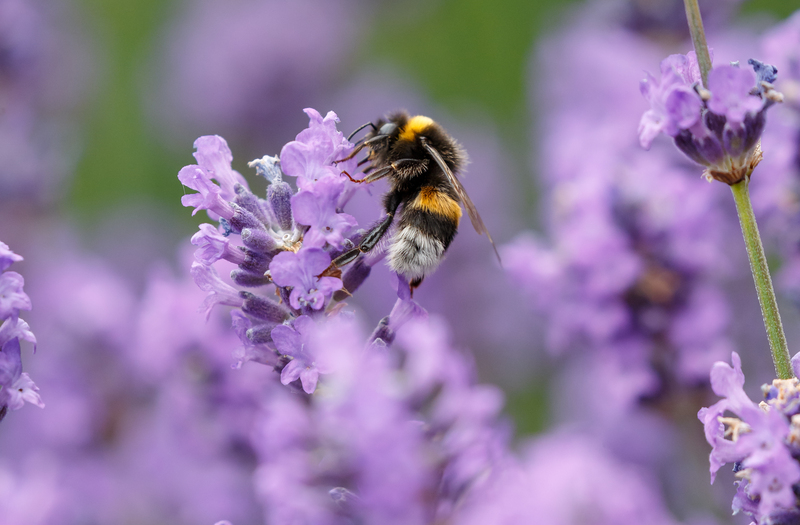
How Your Backyard Can Help Fight Climate Change
Climate change may seem like an overwhelming global threat, but the solution starts closer to home than you might think. Did you know that your backyard holds untapped potential in the fight against climate change? Transforming your outdoor space--no matter how small--can help reduce greenhouse gas emissions, restore natural habitats, and promote a healthier planet. In this guide, we'll explore the science, strategies, and inspiring examples of how your backyard can be a powerful ally in the battle against climate change.
- Why Your Backyard Matters in the Face of Climate Change
- Carbon Sequestration at Home: Turning Your Backyard into a Carbon Sink
- Natural Landscaping and Native Plants
- Sustainable Gardening Practices That Make a Difference
- Creating a Wildlife-Friendly Habitat
- Water Conservation Solutions for Your Backyard
- Composting and Mulching for Healthier Soil
- Reducing Your Lawn Footprint
- Climate-Smart Yard Technology
- Multiplying the Impact: Sharing Knowledge and Inspiring Others
- Conclusion: Every Backyard Counts
Why Your Backyard Matters in the Face of Climate Change
Many people believe that only large-scale government policies or big corporations can tackle climate change. While those entities play significant roles, the collective power of private gardens and residential backyards is immense. Consider these facts:
- American lawns cover more than 40 million acres, making them the largest irrigated "crop" in the United States.
- If managed sustainably, these green spaces can remove millions of tons of carbon dioxide from the atmosphere each year.
- Backyards can provide habitat corridors for pollinators, birds, and wildlife that are impacted by urbanization and climate change.
Your actions in your own backyard may seem small, but collectively they represent a huge opportunity for positive change. Let's dig into how you can harness the power of your outdoor space to help stop climate change.
Carbon Sequestration at Home: Turning Your Backyard into a Carbon Sink
One of the most important ways your backyard can fight climate change is through "carbon sequestration." This process involves capturing and storing carbon dioxide from the atmosphere in plants, trees, and soil. Here's how you can maximize sequestration in your garden:
Trees: The Unsung Climate Heroes
- Trees absorb CO2 as they grow, storing carbon in their wood, branches, and roots for decades or even centuries.
- Even a single mature tree can absorb up to 48 pounds of CO2 per year.
- Planting native trees suited to your climate zone not only sequesters carbon but also supports local wildlife and insects.
Soil Health Matters
- Healthy soil stores more carbon. Avoiding tilling and keeping soil covered with mulch or plants helps trap more carbon below ground.
- Using natural compost improves soil structure and increases carbon storage capacity.
Every yard that sequesters carbon makes a difference in reducing the overall greenhouse gases in our atmosphere.
Natural Landscaping and Native Plants
Conventional lawns, with their short grass and high maintenance needs, do little to mitigate climate impacts. Instead, natural landscaping with native plants offers multiple benefits:
- Requires less water, fertilizer, and mowing, cutting down on emissions from lawn equipment.
- Deep-rooted native plants store more carbon in soil and withstand droughts better.
- Native species attract pollinators and support local food webs disrupted by climate change.
Switching even a portion of your lawn to a wildflower meadow, prairie grasses, or groundcover can make your backyard part of the climate solution.
Sustainable Gardening Practices That Make a Difference
Organic Gardening
- Reduces dependency on synthetic fertilizers and pesticides that are energy-intensive to produce and can release greenhouse gases.
- Encourages soil microbe diversity, which boosts soil carbon storage.
Regenerative Gardening
- Goes beyond organic by focusing on practices that restore soil health and biodiversity.
- Examples include cover cropping, using mulches, and rotating crops for backyard vegetable gardens.
Each of these sustainable approaches helps reduce your environmental footprint and leverages your outdoor space to fight climate change.
Creating a Wildlife-Friendly Habitat
Urbanization and climate change are pressuring wildlife populations worldwide. Your backyard can act as a critical refuge for birds, insects, and pollinators, strengthening local ecosystems and increasing their resilience to environmental changes. Here's how:
- Plant native shrubs and trees that produce berries, nuts, or nectar.
- Add a water source, such as a birdbath or natural pond.
- Leave some leaf litter and woody debris for insects and amphibians.
- Avoid pesticides and herbicides, which can harm beneficial species.
By transforming your garden into a thriving habitat, you're not only supporting biodiversity but making ecosystems more robust in the face of climate change.
Water Conservation Solutions for Your Backyard
Water scarcity is intensifying due to climate change, but you can make a difference through smart backyard choices:
- Install a rain barrel to collect runoff and use it for irrigation.
- Use drip irrigation and soaker hoses to target roots instead of spraying water into the air.
- Choose drought-tolerant plants to reduce overall water usage.
- Mulch garden beds to retain moisture and keep soil cool.
These strategies lower water demand, promote healthier plants, and help adapt your backyard to changing climate patterns.
Composting and Mulching for Healthier Soil
Did you know that food waste in landfills produces methane, a greenhouse gas far more harmful than carbon dioxide? Home composting is a simple way to cut emissions and enrich your garden soil:
- Composting kitchen scraps and yard waste turns organic matter into nutrient-rich soil, locking carbon back into the ground.
- Mulching with natural materials--like leaves, grass clippings, or wood chips--prevents erosion, suppresses weeds, and boosts soil carbon.
Over time, your backyard will store more carbon and grow healthier plants, closing the loop on organic waste.
Reducing Your Lawn Footprint
Conventional lawns often require regular mowing, fertilizing, and watering, all of which come with a carbon cost. To make your backyard more climate-friendly:
- Replace sections of turf with wildflowers, edible gardens, or groundcover.
- Convert traditional grass to eco-friendly alternatives such as clover, buffalo grass, or moss.
- If you keep a lawn, use a manual or electric mower to cut emissions.
*By shrinking your lawn, you can create a more resilient, low-maintenance landscape that supports climate action.*
Climate-Smart Yard Technology
Today's technology offers tons of opportunities for making your backyard work harder for the climate:
- Install solar-powered outdoor lights, fountains, or irrigation systems.
- Try a smart irrigation controller to reduce water waste based on real-time weather.
- Opt for battery-powered, energy-efficient garden tools instead of gasoline-powered ones.
These upgrades reduce your environmental footprint and can even save you money in the long run.
Multiplying the Impact: Sharing Knowledge and Inspiring Others
Fighting climate change is more effective when we work together. Here's how to expand your impact beyond your own backyard:
- Share photos and tips about your climate-friendly yard on social media or at local garden clubs.
- Organize a neighborhood tree-planting day or "no-mow May" wildflower challenge.
- Educate kids and friends about the connection between landscaping and the environment.
Every backyard that becomes climate-friendly sets an example and inspires others to join the movement, multiplying the benefits for your whole community.
Conclusion: Every Backyard Counts in the Climate Fight
You don't need to be a scientist or environmental activist to make a real difference in the fight against climate change. Whether you have a sprawling yard or a small patch of green, your backyard is a powerful tool for climate action. Through carbon sequestration, natural landscaping, supporting wildlife, conserving water, composting, and embracing technology, you're joining a global effort--one garden at a time. Start today, and as you watch your own corner of the world grow greener, remember: Every backyard counts in the vital fight against climate change.
Take action now--plant a tree, start a compost pile, or swap out a patch of turf for a mini-prairie--and inspire your neighbors to do the same. Small changes in your own backyard can add up to a big impact for the planet.
If you found this article helpful, consider sharing it and helping us grow a movement of climate-friendly backyards everywhere!

Latest Posts
Organic Waste: A Gateway to Fertile Earth
How Your Backyard Can Help Fight Climate Change
Why Container Gardening is Perfect for Beginners