Top gardeners for Wealdstone High Street properties: a practical guide to getting street-facing gardens right
If you own, manage, or let a property near Wealdstone High Street, you already know the outside space has to work harder than most. It is on view, it gets more foot traffic, and it often has less room for error. The right gardener can make a front plot feel tidy, welcoming, and easy to maintain without turning it into a high-maintenance project you quietly resent every week.
That is really what this guide is about: helping you understand what top gardeners for Wealdstone High Street properties actually do, how to compare them, and which services matter most when space is tight, visibility matters, and weather, shade, paving, bins, and boundary lines all seem to conspire at once. Sounds familiar? Good. You are in the right place.
We will cover the practical side too: how to choose a gardener, what to expect from a visit, where the common mistakes happen, and which maintenance tasks are worth prioritising first. A good front garden can do a lot of heavy lifting. A great one, honestly, can make a property feel looked after before anyone even reaches the door.
Why this matters for Wealdstone High Street properties
High street properties live with a different kind of pressure. The garden is not just private green space; it is part of the property's first impression, and sometimes part of its daily function. A front border that has gone leggy, a hedge that blocks light, or a patio edged with weeds can make a place feel neglected very quickly. You notice it. So does everyone else.
That is why the best gardeners for Wealdstone High Street properties tend to be more than general lawn-cutters. They understand how to manage visibility, kerb appeal, access, weather exposure, and the constant balancing act between neatness and real-world maintenance. In practical terms, that means they should be comfortable working on compact frontages, awkward boundaries, narrow side access, and mixed surfaces such as paving, decking, soil beds, and containers.
There is also a commercial angle. For landlords, shop owners, and small businesses with frontage, a managed outdoor area can support the overall presentation of the building. For homeowners, it can make daily life feel calmer. A front garden that looks cared for is one less thing to worry about on a busy weekday morning. That is no small thing, to be fair.
If your property has become a bit unruly, it may help to start with a proper reset. The article on reviving a wild and neglected garden is a useful companion read if the space needs more than routine tidying.
Expert summary: On a high street, the value of gardening is not only aesthetic. It is about consistency, safety, and making a property feel intentional rather than left to chance.
How professional garden care works
For most properties, garden care works best as a staged process rather than one dramatic tidy-up. A top gardener usually begins with an assessment: what is growing, what is failing, what is overhanging, where the water collects, and how much upkeep the site can realistically handle. A sensible gardener does not just grab a strimmer and hope for the best. That approach lasts about five minutes, and then the problems come back.
From there, the work usually falls into one or more of these buckets:
- Routine maintenance such as mowing, edging, weeding, pruning, leaf clearance, and seasonal plant care.
- Boundary control including hedge trimming, ivy reduction, shrub shaping, and keeping growth off paths and walls.
- Surface cleaning for patios, paved front areas, and entrance spaces where moss, algae, and general grime build up.
- Structural improvements such as planting schemes, fencing repairs, decking updates, or redesigning the layout for easier upkeep.
- Plant selection suited to shade, wind, shallow beds, containers, or low-maintenance requirements.
Some jobs are very visual and immediate; others are about long-term control. For instance, if a hedge is encroaching on a walkway, the first win is obvious. But if the soil is poor or the planting mix is wrong, you will need a longer-term plan. That is where reliable services such as regular garden maintenance and hedge trimming become useful rather than optional.
It is also worth noting that good gardeners explain the "why" behind each decision. Why cut now instead of later? Why replace rather than repeatedly patch? Why choose a ground cover plant over bare soil? These are the little questions that separate polished work from rushed work.
Key benefits and practical advantages
The biggest benefit is obvious: the property looks better. But the useful benefits go further than that. On a street-facing site, a tidy garden can improve approach, reduce trip hazards, and make entrances easier to navigate. If you have a small frontage, the right planting and pruning choices can also make it feel larger and less cluttered.
Another advantage is consistency. A good gardener builds a routine around the property's real conditions. For example, a shady, narrow plot may need different plant choices from a sunny front yard with open exposure to wind. That sounds basic, but plenty of gardens are treated as if one size fits all. They are not. Not even close.
Here are the benefits that usually matter most:
- Stronger kerb appeal for homes, rentals, and customer-facing premises.
- Less time spent firefighting weeds, overgrowth, and seasonal mess.
- Better plant health through the right pruning, feeding, and watering approach.
- Reduced maintenance burden through smarter plant selection and layout changes.
- Safer access with clearer paths and less overgrowth near entrances.
- Improved privacy and screening where a road-facing garden feels too exposed.
Some properties benefit from specialist planting choices too. If you want soft structure at ground level, the guide to ground cover plants for UK gardens is handy. If your frontage gets shade, evergreen climbers for shaded spaces can help make gloomy corners feel alive rather than abandoned.
And yes, a better-looking garden can simply make you feel better when you come home. That matters too. A bit of calm at the end of a crowded day goes a long way.
Who needs this and when it makes sense
This kind of gardening support is especially useful for people who need a reliable result, not a hobby project. If you are a homeowner juggling work and family life, a landlord trying to keep a property presentable, or a small business owner who wants the frontage to feel clean and intentional, it makes sense to bring in help.
It also makes sense if any of the following sound familiar:
- You inherited a garden that has gone a bit feral.
- The space is small, awkward, or heavily paved, and it never seems to look finished.
- You keep meaning to sort the hedge, but somehow it keeps growing.
- You want a low-maintenance design rather than a demanding planting scheme.
- The garden needs seasonal work before winter, after storms, or ahead of a property viewing.
If the space is limited, a gardener with good design instincts can do a lot with vertical structure, containers, and selective planting. The article on vertical gardening for limited spaces is worth a look for that reason. Likewise, if you are trying to make the garden easier to live with every day, low-cost, low-maintenance garden tips offers practical ideas that do not demand a complete overhaul.
There are also times when you should not wait. If paths are slippery, ivy is taking over fences, shrubs are blocking light, or the garden is becoming unmanageable, get it addressed sooner rather than later. Waiting rarely saves time. It usually just makes the problem heavier.
Step-by-step guidance
Choosing and working with a gardener becomes much easier when you treat it like a simple process. No drama. Just a clear sequence.
- Walk the site first. Note the light, the access points, the condition of lawns and borders, and any areas that feel unsafe or awkward.
- Separate urgent tasks from nice-to-have work. For example, hedge cutting and weed control may matter more than decorative planting this month.
- Decide what you want the space to do. Do you want privacy, easy maintenance, better presentation, more planting, or all of the above?
- Ask for a proper plan. A good gardener should be able to explain what they will do first, what can wait, and what may need longer-term attention.
- Check the maintenance rhythm. Some gardens need fortnightly attention; others can be managed monthly or seasonally.
- Review the materials and plants proposed. Make sure they suit shade, wind, container use, or soil conditions.
- Agree the finish and follow-up. After the first visit, decide whether the property now needs ongoing care or a seasonal tune-up.
If the site has fallen behind, a clean-up may be the best first move, followed by a maintenance cycle later. A useful pair of services here are general gardening services and patio cleaning when hard landscaping needs a reset as well.
For many high street properties, the first visit does the heavy lifting. After that, the job becomes easier, cheaper to manage, and far less stressful. That is the moment people usually exhale and say, "Right, now it looks like somewhere someone actually lives."
Expert tips for better results
In our experience, the best results come from smart simplification. People often want to add more plants, more features, more colour, more everything. Sometimes that is fine. Often, it just creates more maintenance and visual noise. A sharper, cleaner planting scheme usually ages better on a busy street.
Here are some practical tips that genuinely help:
- Choose structure before ornament. Hedges, shrubs, edging, and boundary plants create the framework. Flowers come after that.
- Think in layers. Low planting, mid-height shrubs, and one or two vertical elements usually look more balanced than a flat bed.
- Use containers strategically. They are brilliant for entrances, awkward corners, and rented properties where flexibility matters. If you are new to this, why container gardening works for beginners is a solid reference point.
- Plan for weather, not just appearance. Wind, rain splash, and winter exposure all affect what lasts. The piece on preparing a garden for severe weather is a good reminder that design and durability should go together.
- Do not ignore soil improvement. Healthy soil makes every other job easier.
- Keep paths and thresholds clear. Small practical details matter more than people think.
A small aside: if a gardener talks only about "making it pretty" and never mentions upkeep, that is a clue. Pretty is nice. Manageable is better.
For properties with a strong environmental angle, it can also help to think about composting and soil health. The article on turning organic waste into fertile earth gives a simple route into more sustainable garden care.
Common mistakes to avoid
There are a few mistakes that turn up again and again. The good news is they are easy to avoid once you know what to watch for.
- Picking a gardener based only on speed. Fast is useful, but not if the work looks rushed or creates extra problems later.
- Over-planting a small frontage. Too many varieties can make a compact area feel cluttered and harder to maintain.
- Ignoring access constraints. Narrow side paths, shared entrances, and limited storage all affect how work should be planned.
- Letting ivy and climbing growth run unchecked. Once it gets established, removal is much harder. If this sounds familiar, read how to remove ivy properly.
- Failing to set a maintenance schedule. A tidy result can unravel quickly without follow-up.
- Choosing plants without checking shade and aspect. A sunny plant in a shaded front garden will not magically thrive because you believe in it.
Another frequent issue is forgetting that street-facing spaces pick up litter, dust, and weather staining more quickly than sheltered back gardens. That means surfaces, edges, and entrance points often need a bit more regular attention than people expect. It is boring, yes. But boring is often what keeps things neat.
For anyone dealing with weeds that keep coming back, the guide on comprehensive weed management is worth a look. Weed control is one of those jobs that feels small until it is suddenly the whole job.
Tools, resources and recommendations
A skilled gardener is only part of the picture. The right tools and service mix make the work more efficient and the finish more consistent. For a property on or near a busy street, this usually means a practical toolkit rather than a fancy one.
Useful tools and services often include:
- sharp hand tools for pruning and edging
- mowers and strimmers for lawn and verge control
- hedge tools for shaping and height management
- pressure or surface cleaning equipment for hardstanding areas
- mulch, compost, and soil improvers for tired beds
- gloves, eye protection, and safe lifting methods for heavier work
If you are building a wider maintenance plan, it may help to explore services such as lawn mowing, lawn care, tree surgery, and fencing depending on what the site actually needs. Not every garden needs all of them. But a few often do.
If you want to improve the garden's character as well as its upkeep, the blog on unique seating ideas for outdoor spaces can help you think beyond plants. A simple bench or a well-placed chair can make a frontage feel considered instead of merely maintained.
For learning and seasonal planning, the piece on winterising your garden effectively is useful, especially if the property is exposed and you need a winter-proof routine rather than a summer-only one.
Law, compliance, standards and best practice
For most domestic garden jobs, there is no need to overcomplicate the legal side. Still, the best gardeners work carefully and with the right attitude to safety, neighbours, and property boundaries. That means respecting access routes, avoiding damage to shared surfaces, and taking care around trees, fences, and walls.
Where properties are rented, managed, or partly commercial, it becomes even more important to keep maintenance clear and documented. A straightforward schedule helps everyone understand what was done and when. If the work involves sharp tools, ladders, heavy lifting, or powered equipment, proper risk awareness matters. Basic, sensible stuff - but it matters.
You should also expect good communication about site safety, waste handling, and any limitations before work begins. A professional approach usually includes transparent terms, fair payment handling, and a clear route for questions or complaints if something is not right. Those pages matter because they show that the business thinks beyond the immediate job. You can review the site's health and safety approach, insurance and safety information, and terms and conditions for more reassurance.
For practical trust signals, also look at payment and security and the complaints procedure. That may sound dull. It is not glamorous. But dull is often what keeps a job orderly and fair.
Where planting, pruning, or access may affect neighbours or shared space, good manners are part of best practice too. Not a formal standard, perhaps, but definitely part of doing the job properly.
Options, methods and comparison table
Different properties need different levels of support. A quick tidy, a regular maintenance plan, and a full redesign are all valid options - they just serve different goals.
| Approach | Best for | Typical focus | What to watch |
|---|---|---|---|
| One-off tidy-up | Overgrown or neglected front gardens | Cutting back, clearing debris, edging, weed removal | Looks good quickly, but may need follow-up |
| Regular maintenance | Homes and rentals that need consistency | Mowing, pruning, seasonal care, border upkeep | Works best with a clear schedule |
| Low-maintenance redesign | Busy owners or properties with awkward layouts | Hardy planting, containers, simplified beds, surface improvements | Needs sensible plant choice from the start |
| Boundary and privacy focus | Street-facing properties needing screening | Hedges, climbers, fences, structured planting | Must balance privacy with light and access |
If privacy is the main concern, the article on fast-growing hedge selections is a sensible read. If the space is windy and exposed, see how to calm a windy garden space. Both are useful because they help you match the method to the actual site rather than guessing.
One more practical note: the best option is often the least complicated one that still solves the problem. Fancy is optional. Function is not.
Case study or real-world example
Here is a realistic example, based on the kind of work that comes up often.
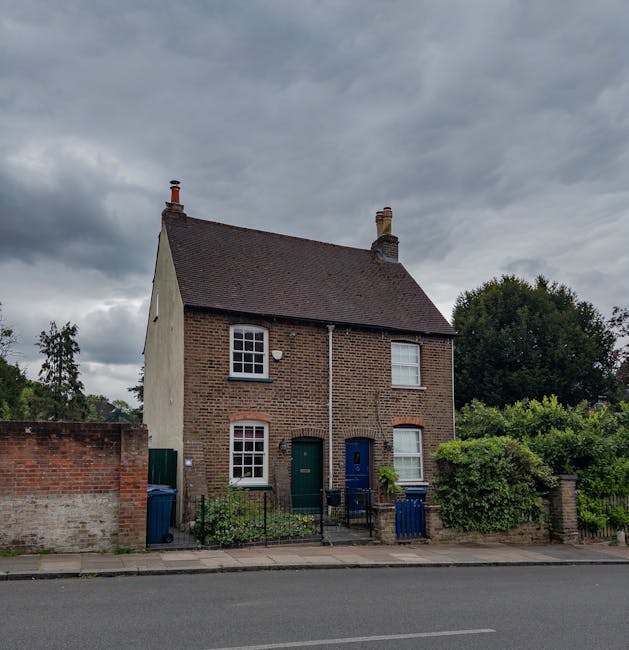
A small terraced property near a busy high street had a front garden that had drifted from "a bit untidy" to "visibly tired." The hedge was uneven, the paving had moss, two shrubs were blocking the window line, and the planting had become a mix of self-seeded clutter and a few surviving perennials. Nothing was broken, exactly, but the whole frontage felt dim.
The gardener's approach was simple. First, they cut back the overgrowth and cleared the debris. Then they reshaped the hedge to regain symmetry, removed the worst weeds, cleaned the paving, and replaced the scrappy planting with a smaller set of hardy, low-maintenance plants. A few containers were added near the entrance to give the space height without crowding it. It was not dramatic in a showy way. It was better than that - calm, tidy, and believable.
What changed most? The property started to feel cared for again. The owner could keep it tidy with less effort, and the front of the house stopped looking like a weekend project that was always one weekend away from being finished.
That is often the real win with good gardeners for Wealdstone High Street properties. Not just "it looks nice today," but "this will still make sense next month."
Practical checklist
Use this checklist before hiring or briefing a gardener for a high street property:
- Have you identified the main priority: presentation, privacy, safety, or low maintenance?
- Does the gardener understand the site layout and access constraints?
- Have you listed any problem areas such as ivy, weeds, slippery paving, or uneven hedges?
- Do you know whether you need a one-off tidy or ongoing maintenance?
- Are the proposed plants suitable for shade, wind, or container growing?
- Have you considered seasonal needs such as winter protection or spring cutback?
- Do you want help with hard surfaces, fencing, or tree work as well?
- Have you checked safety, payment, and complaint information before booking?
- Is there a realistic schedule for future visits?
- Will the result be easy enough for you to maintain between visits?
If you want a quick way to improve the feel of the space, start with the bits people actually see first: entrance, boundary, path, and the area around the front windows. It is a simple rule, but it works.
Get a free quote today and see how much you can save.
Conclusion
The best gardeners for Wealdstone High Street properties are the ones who understand both the visible impact and the everyday reality of the space. They know how to keep things tidy, how to reduce maintenance, and how to shape a garden so it suits the property rather than fighting it. That is the difference between a temporary clean-up and a garden that genuinely settles in.
Whether you need a one-off rescue, regular upkeep, or a smarter layout for a compact frontage, the right support can make the whole place feel lighter. Cleaner. Easier. More like home, or more like a property people trust at first glance. And honestly, that first glance matters more than most of us like to admit.
Take the pressure off yourself a bit. A good garden plan does that. It quietly gives you back your weekend.
Frequently Asked Questions
What should I look for in gardeners for Wealdstone High Street properties?
Look for people who understand compact, visible, or mixed-use outdoor spaces. Good answers to ask for include maintenance planning, hedge and border control, surface cleaning, and plant choices that suit a street-facing site.
Do I need a one-off tidy or regular garden maintenance?
If the garden has become overgrown, start with a tidy-up. If it already looks presentable but keeps slipping backwards, regular maintenance is usually the better option. A lot depends on how much time you want to spend between visits, to be fair.
Can a gardener help with privacy on a busy street?
Yes. Hedges, climbers, fencing, and carefully placed planting can all improve privacy without making the front garden feel boxed in. The right balance depends on light, height, and how much screening you actually need.
What if my garden is very small or mostly paved?
That is still workable. Small gardens often benefit from containers, vertical planting, a simpler layout, and a sharper maintenance routine. In some cases, the paving itself needs cleaning or softening with plants and structure.
How often should front gardens near a high street be maintained?
It varies. Some need fortnightly or monthly attention, while others can be managed seasonally. Exposure, planting type, and how quickly the space gathers litter or weeds all affect the schedule.
Can gardeners deal with ivy, hedges, and overgrown boundaries?
Yes, and this is often one of the most important jobs on a high street property. Boundary growth can block light, hide features, and make entrances look cramped. A clean cut and a proper follow-up plan usually help most.
Is patio cleaning worth adding to a garden visit?
Often, yes. If the hard surfaces are stained or slippery, a clean patio or front path can change the whole feel of the property. It is one of those jobs that looks minor until it is done, then suddenly everything seems fresher.
What should I prepare before the gardener arrives?
Clear access if you can, note any problem areas, and decide what matters most: tidying, pruning, planting, surface cleaning, or long-term redesign. A bit of preparation helps the visit run smoother and saves time.
Are there safety or insurance points I should check?
Yes. For any property work, it is sensible to check that the provider has a sensible approach to safety, clear terms, and appropriate cover where relevant. The site's own insurance and safety, health and safety, and payment pages are worth reviewing before booking.
What if I want a low-maintenance result rather than a decorative one?
Say that early. The best gardeners can adjust the plan to suit a low-maintenance goal by simplifying the planting, reducing fragile features, and choosing plants that hold shape without constant attention. That usually gives a more durable result anyway.
Can gardening help improve the value or appeal of a property?
It can improve perceived appeal, which matters a lot for homes, rentals, and customer-facing premises. A neat, well-kept frontage suggests care and stability. That does not guarantee a higher price, of course, but it can make the property look far more attractive.
How do I know if a gardener is the right fit?
Ask for a clear explanation of what they would do first, what they would leave for later, and how they would keep the space manageable after the initial work. If the answer feels thoughtful and practical rather than rushed, you are probably on the right track.